Experiential Strategy
Beyond the Room
Premium events are not only defined by what happens in the room. The real value is what guests remember, share, use or act on once the experience has ended.
- By
- Monks Media
- Published
- 01 Jun 2026
- Read
- 4 min read
- Status
- Published
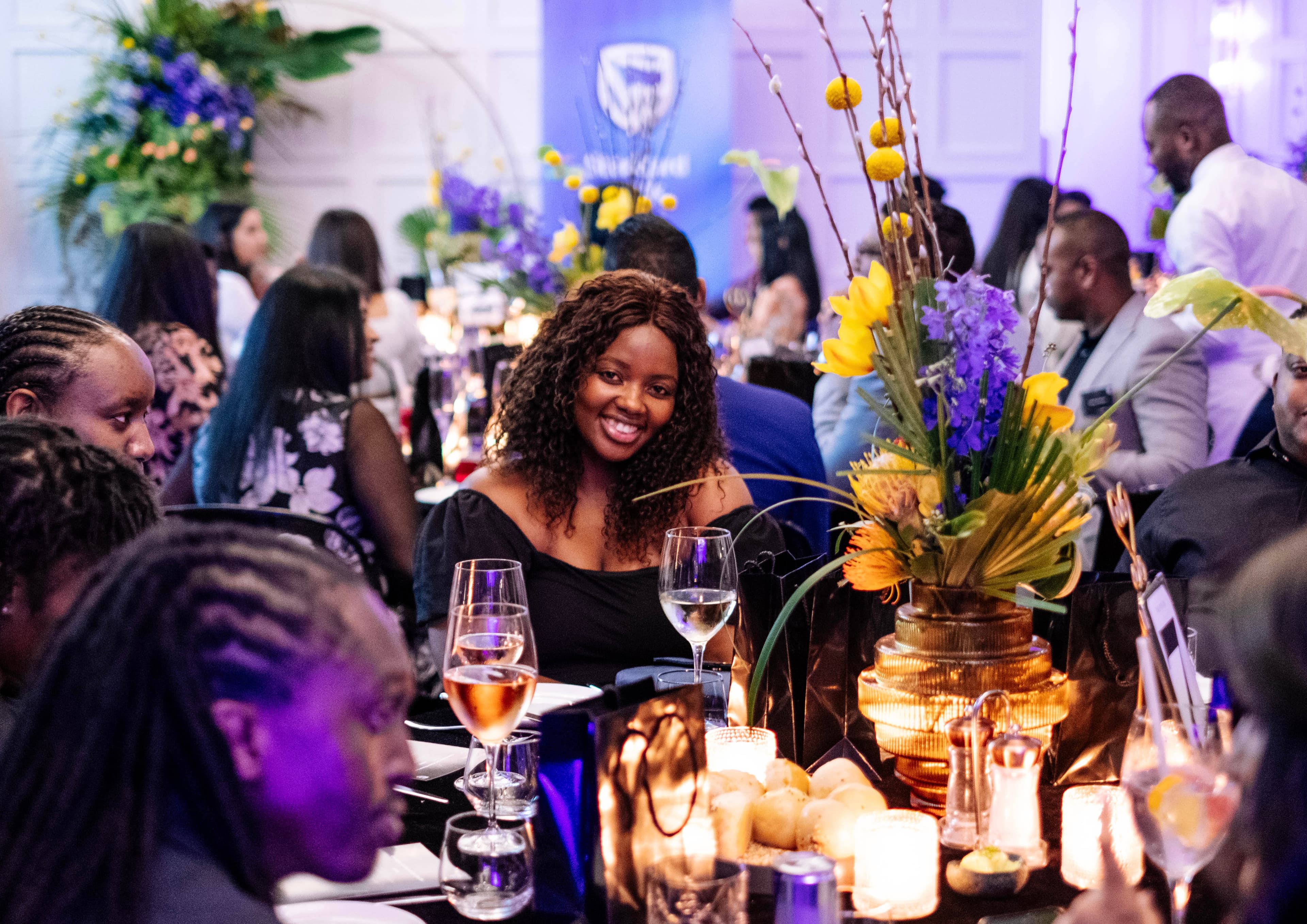
A Standard Bank Taste Tomorrow Series room moment, where hospitality, conversation and brand presence became part of the experience.
The most valuable part of an experience may be what happens after it ends. Premium events are often judged by what happens in the room. The venue. The guest list. The food. The entertainment. The styling. The service. The moment everyone photographs. All of those things matter. They form the experience and determine how it feels to be there.
But when we are developing an experience for a brand, there is another question I keep coming back to:
What does the guest leave with?
Not simply the gift bag, the photograph or the bottle placed in their hand at the end of the evening. What do they leave understanding? What do they remember? What can they use? What are they likely to share? Has the experience created a stronger relationship with the brand, or a reason for the conversation to continue? That is where an event begins to create value beyond the room.
The Experience Is Not the Endpoint
There is a temptation in experiential marketing to treat the event itself as the product. Build the room. Fill it with the right people. Create a beautiful evening. Capture the content. Consider it done. But the room is really only one part of a much longer interaction between a brand and its audience. A guest may spend three hours at an event, but the opportunity created by those three hours can extend considerably further.
They might discover a product they had never considered before. Meet someone useful to their business. Receive access to something that becomes valuable later. Share an experience with their own audience. Purchase a product. Visit a destination. Request another meeting. Or simply understand the brand differently because of the context in which they encountered it. Those outcomes rarely happen by accident. They have to be considered while the experience is being designed.
Give People Something Worth Taking With Them
For years, the default answer to “what does the guest leave with?” was merchandise. And there is nothing inherently wrong with gifting. The right object, presented with care and chosen with genuine relevance, can be an effective part of an experience. But a takeaway does not have to be an object. A takeaway can be access, knowledge, content, a useful digital tool, a new relationship or an invitation to participate in what happens next.
Increasingly, we think about these elements as part of the experience architecture rather than as additions at the end. A physical event can lead into a digital environment. A hospitality experience can introduce a commercial relationship. A product interaction can lead directly to trial or purchase. Content captured in the room can give the experience a second audience. A partnership can create value for guests long after the brand signage has been removed.
Memory Is Valuable. Utility Is Stronger.
Of course we want people to remember an experience. Emotion and memory are part of what makes experiential work powerful in the first place. But memory becomes considerably more useful to a brand when it is connected to action. That does not mean every experience needs an aggressive sales mechanism attached to it. In premium environments, that would often destroy precisely what made the experience valuable.
The action can be subtle: follow the story, explore the product, book the experience, access something private, continue the conversation, share the content or return next year. The important thing is that we have thought about what the natural next step might be. If a brand has invested in bringing the right people together, in the right environment, at the right moment, there should be some consideration of what happens when everybody goes home.
Partnership Changes the Equation
This thinking becomes particularly interesting when multiple brands are part of the same experience. A good partnership should never feel like several logos competing for attention in one room. Each partner should contribute something that makes the experience richer. One may provide hospitality. Another may introduce a product. Another may create access. Another may provide expertise, content, transport, gifting or a completely unexpected interaction. When those roles are orchestrated properly, partnership becomes part of the guest experience rather than sponsorship layered over it.
It also creates more possible outcomes. A hospitality partner can gain a future customer. A product partner can create trial. A destination can create visitation. A retailer can create a new sales opportunity. A cultural partner can reach a new audience.
The guest experiences one coherent world, while each partner has a clear reason for being there. That is much more powerful than visibility alone.
Design Backwards From What Should Remain
One of the most useful questions at the beginning of a project is not what should happen at the event. It is:
What should still exist because the event happened?
A stronger client relationship? New product consideration? Useful content? A database of interested customers? A new stockist? A partnership that can grow? A community that wants to return? A story people continue telling? Once that outcome becomes clearer, decisions about the room become easier.
The venue, format, guest list, content, partnerships and digital layer can all be designed around something more meaningful than simply filling an evening. This does not make the experience less beautiful. It gives the beauty a purpose.
Beyond the Room
The best experiences should be exceptional while they are happening. People should feel looked after. Surprised. Interested. Connected. They should want to photograph the table, taste the unexpected thing, meet the person beside them and stay slightly longer than they intended. But the measure of the experience should not necessarily end when the last guest leaves. Sometimes the most valuable signal is what happens next.
A message the following morning, a photograph shared a week later, a product ordered, a meeting booked, a relationship strengthened or a guest who becomes a customer, participant, advocate or partner.
The room creates the moment. What remains afterwards creates the value.
This thinking can also be seen in the Standard Bank Taste Tomorrow Series, where experience was designed to create value beyond the room.
Project for Standard Bank developed with and powered by Matriarch Marketing.
Back to Monks Memo